

Financial Planning After the Loss of a Spouse is A New Chapter You Never Asked For
No one wants to plan for widowhood.
Yet for so many women and men, it becomes a defining chapter… one filled with grief, exhaustion, and decisions that feel impossibly heavy. In the weeks and months after losing a spouse, paperwork and finances often show up before emotional readiness does.
You may be asking:
- What do I do first?
- What should I not touch yet?
- How do I protect my family?
- How do I make sure I don’t make a mistake I’ll regret later?
This is where financial planning after widowhood becomes less about money and more about stability, clarity, and confidence.
Step One: Pause and Create Financial Clarity After Loss
Before any big decisions are made, the most important thing to do is understand what you have and what you need.
This includes:
- Bank and investment accounts
- Life insurance policies
- Income sources
- Monthly expenses
- Debts and liabilities
- Estate documents and beneficiaries
This step alone often brings a sense of grounding. You are not deciding anything yet—you are simply getting oriented while your world is spinning.
The Emotional Reality of Money After Loss
Grief affects decision-making. It just does.
Many widows feel pressure, from well-meaning family, from advisors, from their own fear, to:
- Move money quickly
- Make investments immediately
- Sell homes
- Give money to children
- “Do something” to feel in control
Good financial planning after loss is about protecting yourself from rushed decisions. There are some decisions that do need to be made immediately, like funeral plans, life insurance policies, but other things, like whether to sell the home, should wait until year 2 or 3 at least when things have slowed a bit for you.
Investing After Widowhood: Rebuilding With Intention
Your investment strategy now must reflect a different reality:
- You may have one income instead of two
- Your risk tolerance may have changed
- Your goals may look different
- Your time horizon may have shifted
This is not about chasing returns it’s about building a portfolio that supports your life now and into the future.
Estate Planning and Beneficiary Updates After a Spouse’s Death
One of the most critical, and often overlooked, steps:
- Updating beneficiaries
- Reviewing wills and trusts
- Reworking powers of attorney
- Making sure your children are protected
Your estate plan should reflect your new chapter.
The Long-Term Financial Journey After Widowhood
This journey isn’t about “getting back to normal.” It’s about building a new normal, one rooted in strength, clarity, and purpose.
With the right guidance, this chapter can still include growth, opportunity, and confidence.
Need further financial guidance?
Book a complimentary no obligation call and we can discuss a plan to help you move forward with confidence.
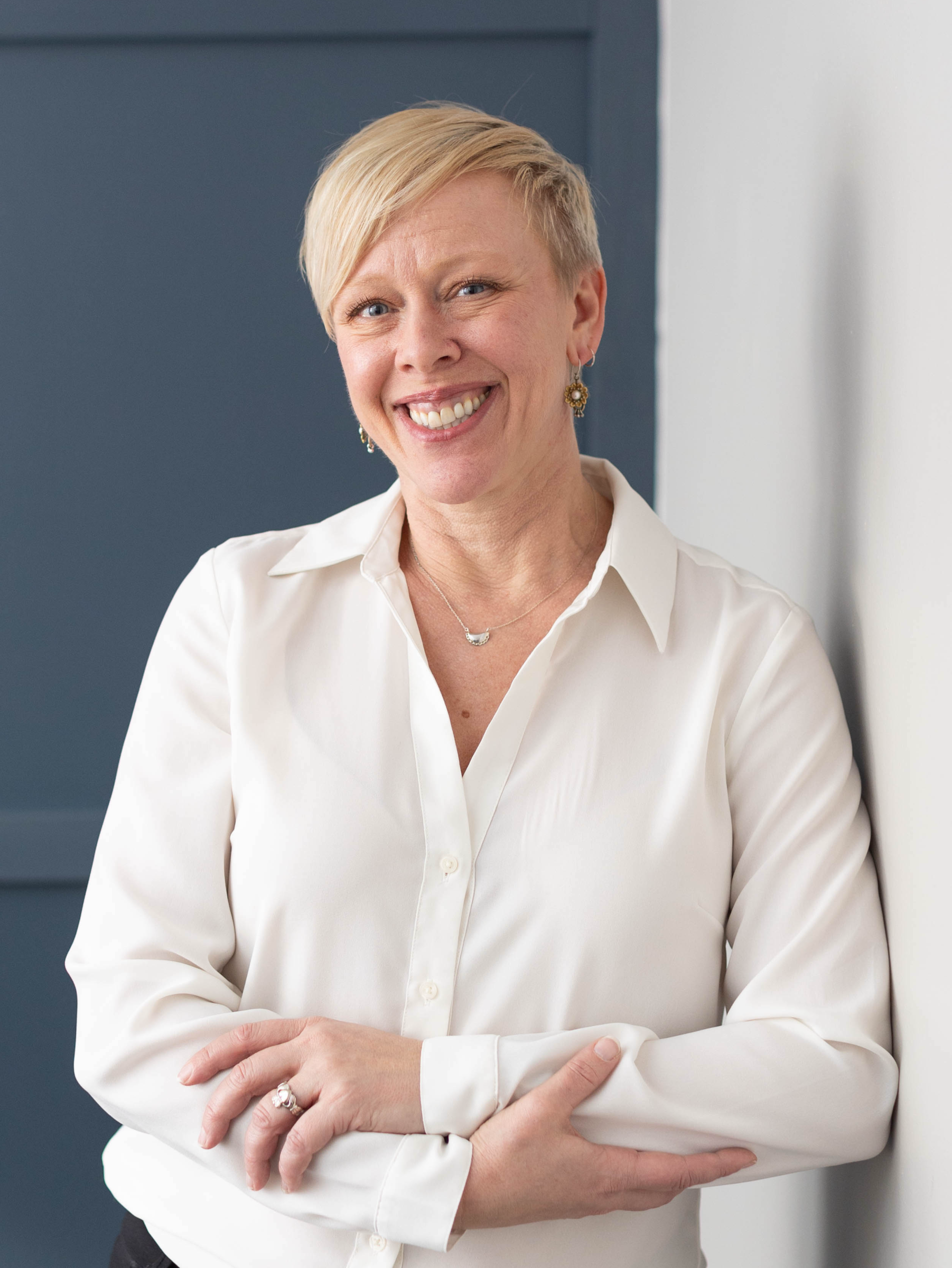
Donna understands first hand that life has many transitions. Having been widowed suddenly at age 40, reinventing her career, and blending her current family, she understands these unique needs and can give you clarity for moving forward!
Donna (Sephton) Kendrick, CFP®, CDFA®
This blog is designed to provide accurate and authoritative information on the subjects covered. It is not, however, intended to provide specific legal, tax, or other professional advice. For specific professional assistance, the services of an appropriate professional should be sought. A diversified portfolio does not assure a profit or protect against loss in a declining market.
For a comprehensive review of your personal situation, always consult with a tax or legal advisor. Neither Cetera nor any of its representatives may give legal or tax advice